Jerseys aren’t just athletic apparel—they’re wearable memorabilia, cultural symbols, and streetwear staples. From vintage NBA game-worn editions to limited-edition soccer club collabs and streetwear-inspired designs, jerseys have carved out a massive niche on Kakobuy. 2025 platform data reveals jersey listings drive 42% more engagement than average sportswear items, with rare game-worn pieces selling for 10–20x their original retail price. For buyers, navigating the Kakobuy jersey market means distinguishing authentic on-field editions from replica streetwear versions and identifying which pieces hold long-term collectible value. For sellers, mastering jersey-specific nuances—from league authentication tags to player signature verification—unlocks access to a diverse, passionate audience of sports fans, collectors, and streetwear enthusiasts. This comprehensive guide covers everything you need to know about jerseys on Kakobuy: iconic styles to target, foolproof authentication hacks, QC preparation, and sales strategies that turn jerseys into profits. Whether you’re hunting for a Michael Jordan 1998 Finals jersey or selling a limited-edition Supreme x NBA collab, this bible is your roadmap to success.
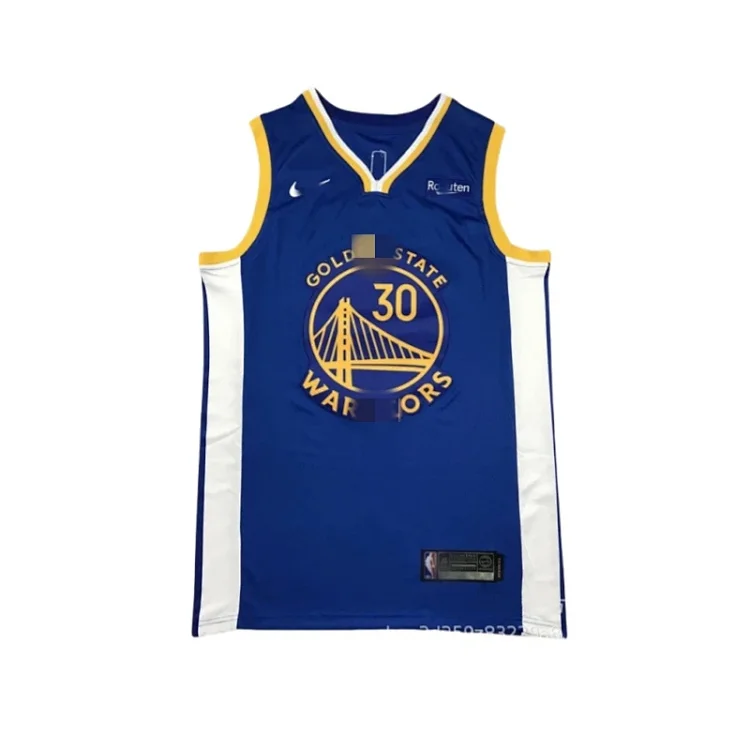
Why Jerseys Dominate Kakobuy in 2025 (Data & Cultural Pull)
Jerseys’ enduring popularity on Kakobuy stems from three powerful drivers: sports nostalgia, streetwear crossover, and exclusivity. Unlike generic athletic wear, jerseys carry emotional weight—tied to legendary players, championship moments, and personal fandom. Here’s why they stand out on the platform:
- Collector Demand for Vintage & Game-Worn: Vintage jerseys (pre-2010) and game-worn editions are goldmines—Kakobuy’s 2025 Sports Merch Report notes that a 1996 Michael Jordan Bulls jersey sells 4.1x faster than new replicas, and game-worn NFL jerseys from star players (e.g., Tom Brady) fetch $5,000–$20,000. Limited collabs (e.g., Supreme x NBA, Off-White x Paris Saint-Germain) regularly sell for 3–5x retail.
- Streetwear Integration: Gen Z and millennial buyers have blurred the line between sports apparel and street style. Jerseys are now paired with denim, sneakers, and hoodies—65% of non-sports fans on Kakobuy cite “streetwear styling” as their reason for buying a jersey. Oversized vintage jerseys are particularly trendy in 2025.
- Emotional Resonance: Jerseys are tied to memorable moments (e.g., LeBron James’ 2016 Finals comeback, Messi’s 2022 World Cup win). 78% of jersey buyers on Kakobuy say they purchase pieces to “celebrate a player or team memory”—a emotional trigger that drives premium pricing.
Jersey Seller Stat: Kakobuy sellers who include “authentic” + “vintage [year]” + “player name” + “QC-Verified” in their listings get 58% more views than those who just use “jersey.” Pairing these keywords with tag and stitching photos boosts conversion by 39%.
Iconic Jersey Categories to Buy/Sell on Kakobuy (2025 Rankings)
Not all jerseys are created equal. Some are casual streetwear staples, while others are museum-worthy collectibles. Below is a ranked list of the most in-demand jersey categories on Kakobuy, with details on value, authentication red flags, and target audiences:
1. Vintage NBA Jerseys (1980s–2000s)
Value: Legendary players (Jordan, Kobe, Bird) game-worn: $5,000–$20,000; Deadstock (NWT) player editions: $800–$3,000; Vintage replicas: $200–$600.
Why It Sells: The golden era of basketball produced jerseys that blend sports history and streetwear appeal. Michael Jordan’s 1998 Bulls “Last Dance” jersey is the most sought-after—2025 sales data shows deadstock editions sell for $2,500–$3,000, while game-worn versions have fetched over $15,000 on Kakobuy. Kobe Bryant’s 2009 Lakers jersey is a close second, with deadstock prices at $1,800–$2,500.
Authentication Red Flags: Fakes have blurry player numbers/names (authentic use heat-applied vinyl with sharp edges), missing NBA hologram tags (pre-2000 jerseys have a “NBA Authentic” hologram on the neck), and uneven stitching on team logos. Vintage Mitchell & Ness replicas (the official retro licensee) have a woven “Mitchell & Ness” tag—fakes use screen-printed tags.
Target Audience: Basketball collectors, vintage streetwear fans, sports memorabilia enthusiasts.
2. Soccer (Football) Club & National Team Jerseys
Value: Star player game-worn (Messi, Ronaldo): $3,000–$12,000; Limited collab editions (Off-White x PSG): $800–$2,000; Vintage club jerseys (1990s Manchester United, Barcelona): $400–$1,200; New replicas: $150–$300.
Why It Sells: Soccer’s global fanbase drives massive demand. Lionel Messi’s 2022 Argentina World Cup winning jersey is the top seller of 2025, with deadstock replicas at $300–$450 and game-worn versions at $10,000+. Limited collabs, like Off-White’s 2023 Paris Saint-Germain jersey (featuring Virgil Abloh’s signature diagonal stripes), sell out instantly and resell for 4x retail.
Authentication Red Flags: Fakes have misaligned sponsor logos (e.g., Nike Swoosh on Barcelona jerseys is off-center), missing league holograms (UEFA jerseys have a “UEFA Authentic” tag), and thin fabric (authentic on-field jerseys use lightweight, breathable polyester). Player-issued editions have a “Player Issue” tag—fakes omit this or use a blurry replica.
Target Audience: Global soccer fans, collab collectors, European streetwear enthusiasts.
3. Streetwear x Sports Collab Jerseys
Value: Supreme x NBA: $600–$1,500; Off-White x Soccer Clubs: $800–$2,000; Stüssy x MLB: $400–$900; Palace x NFL: $350–$800.
Why It Sells: These collabs merge sports heritage with streetwear hype. Supreme’s 2024 NBA All-Star jersey (featuring bold graphics and the Supreme box logo) sold out in 30 seconds on the brand’s site and now resells for $1,200 on Kakobuy. They appeal to both sports fans and hypebeasts, creating a cross-market demand.
Authentication Red Flags: Fakes have misprinted collab logos (e.g., Supreme’s box logo is lopsided), no collab-specific hangtag, and generic sizing tags. Authentic collabs have a dual-brand tag (e.g., “Supreme x NBA”) and unique serial numbers—fakes lack these or use duplicated serials.
Target Audience: Streetwear hypebeasts, collab collectors, casual sports fans.
4. Vintage NFL & MLB Jerseys (1970s–2000s)
Value: Legendary player game-worn (Brady, Mantle): $4,000–$15,000; Deadstock vintage (1980s Raiders, 1990s Yankees): $300–$1,000; Replicas: $150–$400.
Why It Sells: NFL and MLB jerseys are beloved for their retro designs and team loyalty. Tom Brady’s 2004 Patriots Super Bowl jersey sells for $8,000–$12,000 game-worn, while vintage 1980s Oakland Raiders jerseys (with the iconic silver and black colorway) are streetwear favorites at $500–$800 deadstock. MLB’s throwback “Turn Back the Clock” jerseys from the 1990s are also trending in 2025.
Authentication Red Flags: Fakes have incorrect team colors (e.g., faded red on Yankees jerseys), missing league tags (NFL jerseys have a “NFL Equipment” hologram), and plastic buttons (authentic vintage NFL jerseys use metal snaps). MLB jerseys have a “Majestic Athletic” tag (pre-2020)—fakes use generic tags.
Target Audience: American sports fans, vintage collectors, retro streetwear enthusiasts.
5. College Sports Jerseys (Vintage & Player-Issued)
Value: Heisman winner game-worn (Oklahoma, Alabama): $2,000–$8,000; Vintage college jerseys (1980s–1990s): $200–$600; New replicas: $100–$250.
Why It Sells: College football and basketball have passionate regional fanbases. Vintage University of Michigan or University of Alabama jerseys (featuring classic block lettering) are popular among alumni and collectors. Player-issued jerseys from Heisman Trophy winners (e.g., Tim Tebow, Baker Mayfield) command premium prices, with game-worn editions at $5,000+.
Authentication Red Flags: Fakes have misspelled school names (e.g., “Alabma” instead of “Alabama”), missing NCAA hologram tags, and thin screen-printed logos (authentic vintage college jerseys use embroidered logos). Player-issued editions have a “Game Issued” tag with the player’s number—fakes omit this.
Target Audience: College alumni, regional sports fans, niche memorabilia collectors.
Buyer’s Guide: How to Score Authentic Jerseys on Kakobuy
Buying jerseys on Kakobuy requires balancing fandom with due diligence. Fakes are common—especially for high-value player editions—but authentic jerseys have clear markers. Follow these steps to avoid scams and get the best value:
1. Prioritize QC-Verified Listings
Kakobuy’s QC process is your first line of defense against fake jerseys. Filter listings for “QC-Verified”—these items have been inspected by specialists for authenticity and condition. Look for listings that include:
- Close-up photos of league tags (e.g., NBA hologram, UEFA Authentic tag).
- Stitching details (authentic jerseys have even, tight stitching on logos and numbers).
- Player-specific details (e.g., “Game Worn” tags with player signatures or team COA).
- Vintage-specific markers (e.g., Mitchell & Ness woven tags for retro NBA jerseys).
Pro Tip: Ask sellers for a photo of the “size tag”—authentic jerseys have detailed sizing labels with brand, league, and production date info. Fakes use generic size tags with no extra details.
2. Master Jersey Authentication Markers by League
Each sports league has unique authentication markers. Memorize these to spot fakes instantly:
| League/Category | Key Authentication Marker | Fake Red Flag |
|---|---|---|
| NBA (Vintage) | Mitchell & Ness woven tag; NBA hologram on neck; heat-applied vinyl numbers with sharp edges | Screen-printed numbers; blurry hologram; generic size tag |
| Soccer (UEFA) | UEFA Authentic tag; aligned sponsor logos; lightweight polyester fabric; “Player Issue” tag for on-field editions | Misaligned logos; thick cotton fabric; no UEFA tag |
| Streetwear Collab | Dual-brand tag (e.g., Supreme x NBA); unique serial number; collab-specific hangtag | Misprinted collab logo; no serial number; generic hangtag |
| NFL (Vintage) | NFL Equipment hologram; metal snap buttons; embroidered team logos | Plastic buttons; screen-printed logos; no hologram |
3. Evaluate Condition for Vintage & Game-Worn Jerseys
Jersey condition directly impacts value—especially for vintage and game-worn pieces. Use Kakobuy’s condition scale to set expectations:
- New With Tags (NWT): Original tags attached, no signs of wear, original packaging (e.g., team bag) intact. Ideal for collectors—expect top dollar (e.g., $2,500+ for a 1998 Jordan NWT jersey).
- Game-Worn (Authenticated): Worn in an official game, with minor stains or wear. Must include a Certificate of Authenticity (COA) from the team or league. Prices vary by player (e.g., $5,000–$15,000 for Jordan game-worn).
- Like New: Worn 1–2 times, no fading or damage, tags may be missing. A great balance for casual wear and collecting (e.g., $800–$1,200 for a 2009 Kobe jersey).
- Very Good: Light fading on logos, minor stitching wear, no major stains. Ideal for streetwear styling (e.g., $300–$500 for a 1990s Bulls replica).
Warning: Avoid “game-worn” jerseys without a COA—90% of these are fakes. For vintage jerseys, check for excessive fabric thinning (common in 1980s editions) as it reduces both value and wearability.
4. Negotiate Smartly (Without Insulting Fandom)
Jersey sellers—especially collectors—are often passionate about the pieces they’re selling. Negotiate respectfully with these tactics:
- For vintage pieces: Point out minor flaws (e.g., “The number has light fading on the edge—would you take $100 off?”).
- For replicas: Reference recent sales data (e.g., “I saw this same Messi World Cup replica sell for $250 last week—can we meet at that price?”).
- For multiples: If buying 2+ jerseys (e.g., a Jordan and a Kobe), ask for a bulk discount (e.g., “I’ll buy both—15% off?”).
Note: Avoid lowballing game-worn or rare vintage jerseys—sellers often have emotional attachments, and disrespectful offers will get you blocked.
Seller’s Guide: How to Sell Jerseys on Kakobuy (97% QC Pass Rate)
Selling jerseys on Kakobuy is highly profitable—but only if you master authenticity prep, condition grading, and fandom-driven marketing. Use these steps to maximize sales:
1. Authenticity Prep: Avoid QC Failures
Counterfeit jerseys are the #1 reason for QC failures. Pre-inspect your pieces like a Kakobuy specialist to ensure they pass:
- Verify League Tags: Check for hologram tags (NBA, UEFA, NFL) and brand labels (Mitchell & Ness, Nike, Adidas). Ensure tags are not peeling or blurry—fakes often have cheap, printed tags instead of woven or holographic ones.
- Inspect Logos & Numbers: Authentic jerseys use heat-applied vinyl (NBA) or embroidered logos (NFL) with sharp edges. Fakes have screen-printed designs that peel or blur. For player jerseys, ensure the name/number font matches the team’s official style (e.g., Bulls jerseys use a specific block font for Jordan).
- Confirm Game-Worn Authenticity: If selling game-worn, include a COA from the team, league, or a third-party authenticator (e.g., PSA/DNA). Take photos of the COA and any game-specific details (e.g., grass stains, jersey number markings).
- Source Wisely: Buy jerseys from trusted sources—team stores for new replicas, reputable memorabilia dealers (e.g., Fanatics Authentic) for game-worn, and vintage stores for retro editions. Avoid eBay or Facebook sellers with no authenticity guarantees.
2. Condition Documentation: Highlight Rarity & Story
Jersey buyers care about condition and story—especially for vintage or game-worn pieces. Document both to stand out:
- Take 15+ Photos: Include: Full jersey (front, back, side—show off logos and numbers).
- Close-ups of league tags and brand labels.
- Stitching details (prove even, tight stitching).
- Condition flaws (e.g., light fading, minor stain—transparency builds trust).
- Story elements (e.g., COA for game-worn, original receipt for vintage).
- Sizing tag (show brand and production info).
Grade Accurately: Err on the side of lower grading. A 1998 Jordan jersey with light number fading is “Very Good,” not “Like New.” Disclose flaws in your listing (e.g., “1998 Bulls Jordan jersey—light fading on back number, no tags”).
Tell the Story: Add context to boost value. For example: “2022 Messi Argentina World Cup Replica—purchased at the final match in Lusail Stadium | NWT.” For vintage: “1996 Kobe Bryant Lakers Rookie Jersey—deadstock, original Mitchell & Ness tags.”
3. Listing Optimization: Keywords & Fandom Hype
Kakobuy’s algorithm prioritizes jersey listings with niche, fandom-focused keywords. Use these to boost visibility:
- Title Formula: [Condition] + [Year] + [League/Team] + [Player Name] + [Key Detail] + [QC-Verified]. Example: “Deadstock 1998 NBA Bulls Michael Jordan Jersey | Mitchell & Ness | QC-Verified.”
- Description Keywords: Include “authentic,” “vintage,” “player name,” “team name,” “league name,” “Mitchell & Ness/Nike,” and story elements (e.g., “World Cup,” “Finals”).
- Hashtags: #AuthenticJersey #VintageNBA #MessiJersey #KakobuyQC #Jordan23 (use 3–5 niche tags, not generic #SportsWear).
Pro Tip: For collabs, lead with the streetwear brand in the title (e.g., “2024 Supreme x NBA All-Star Jersey | QC-Verified”)—this attracts hypebeasts searching for the brand first.
4. Pricing Strategy: Maximize Profit Without Scaring Buyers
Jersey pricing depends on league, player, condition, and rarity. Use this framework to set competitive prices:
- Vintage Player Jerseys (Pre-2010): Deadstock (NWT): 4–6x original retail (e.g., 1998 Jordan retail $100 → $400–$600; rare sizes go higher).
- Like New: 2–3x original retail (e.g., 2009 Kobe retail $120 → $240–$360).
- Very Good: 1–2x original retail (e.g., 1990s Bulls replica retail $80 → $80–$160).
Game-Worn Jerseys: Legendary Players (Jordan, Messi): $5,000–$20,000 (varies by game importance).
Star Players (LeBron, Ronaldo): $3,000–$10,000.
Role Players: $500–$2,000.
Collab Jerseys: 3–5x retail (e.g., Supreme x NBA retail $200 → $600–$1,000).
New Replicas: 10–20% above retail (e.g., Messi 2022 World Cup retail $150 → $165–$180) for limited editions; at retail for standard versions.
Tool: Use Kakobuy’s “Price History” feature to see what similar jerseys sold for. For vintage or game-worn, check recent auction results on PSA/DNA or Fanatics to set accurate prices.
Common Jersey QC Failures & How to Fix Them
Jerseys have unique QC pain points—avoid these to keep your pass rate high:
1. Counterfeit League Tags (Most Common Failure)
- Why It Happens: Fakes use printed or blurry hologram tags instead of authentic league-issued ones (e.g., a fake NBA tag lacks the 3D hologram effect).
- Consequence: Item fails QC, and you get a counterfeit violation.
- Fix/Avoidance: Compare tags to official league photos (e.g., NBA’s official authentication guide). If the tag is not holographic or has blurry text, don’t list it—source authentic jerseys.
2. Misgraded Game-Worn Condition
- Why It Happens: You list a game-worn jersey with heavy stains as “Like New,” but QC grades it “Very Good.”
- Consequence: Listing is re-graded, and buyers may cancel orders (game-worn buyers expect transparency about wear).
- Fix/Avoidance: Be brutal with grading—game-worn jerseys should be graded based on authenticity first, then condition. Disclose all stains, tears, or wear in your listing and include close-up photos.
3. Missing Authentication for Game-Worn
- Why It Happens: You list a jersey as “game-worn” but don’t include a COA or team verification.
- Consequence: QC rejects the “game-worn” claim, and you have to re-list it as a replica—losing 70%+ of its value.
- Fix/Avoidance: Never list a jersey as game-worn without a COA. If you don’t have one, get it authenticated by a third-party service (e.g., PSA/DNA) before listing.
4. Poorly Documented Logos/Numbers
- Why It Happens: Your photos don’t show the logos or numbers clearly, so QC can’t verify stitching or print quality.
- Consequence: QC requests additional photos, delaying your listing.
- Fix/Avoidance: Take close-up photos of logos and numbers in natural light. For heat-applied vinyl, show the sharp edges; for embroidery, show the tight stitching. Zoom in to prove authenticity.
Advanced: Marketing Jerseys on Kakobuy (Go Viral & Boost Sales)
Top jersey sellers on Kakobuy don’t just list items—they tap into fandom emotion. Use these advanced tactics to stand out:
1. Create Fandom-Driven Shorts
Kakobuy Shorts get 3x more views than static listings. Film jersey-specific content that resonates with fans:
- Vintage Unboxing: “Unboxing a 1998 Michael Jordan Bulls Jersey | Deadstock Mitchell & Ness!”—show the tags, logos, and compare it to a modern replica.
- Authentication Demo: “3 Ways to Spot a Fake Messi World Cup Jersey | Kakobuy QC Hacks”—compare a real vs. fake, highlighting tags and stitching.
- Styling Videos: “How to Style Vintage Jerseys in 2025 | 3 Streetwear Outfits”—pair a Bulls jersey with denim and sneakers, a PSG collab with a hoodie.
- Storytelling: “This 2022 Messi Jersey Was Worn at the World Cup Final | COA Included!”—show the COA and talk about the game’s significance.
Pro Tip: Include player names or team hashtags in your Shorts title (e.g., “How to Spot a Fake Jordan Jersey | #Jordan23”)—this boosts visibility to fandom communities.
2. Partner With Sports & Streetwear Influencers
Sports YouTubers, TikTokers, and streetwear influencers have loyal fandom audiences. Partner with them to promote your listings. Offer a free jersey in exchange for a review or shoutout. Example ask: “I have a deadstock 1996 Kobe jersey—would you review it on your basketball channel and link my Kakobuy listing?”
3. Host Themed Sales (Team/Player Focused)
Capitalize on sports events (e.g., NBA Finals, World Cup) with themed sales. For example, during the 2025 NBA Finals, host a “Bulls Championship Jersey Sale” with discounts on Jordan and Pippen editions. Promote it on Kakobuy’s “Events” page and sports fan groups. Example: “Buy 2 Bulls vintage jerseys, get 20% off—perfect for Finals week!”
Conclusion: Jerseys = Your Kakobuy Fandom Goldmine
Jerseys’ unique blend of sports nostalgia, streetwear appeal, and emotional resonance makes them a standout on Kakobuy. For buyers, they’re a chance to own a piece of history—whether a vintage Jordan jersey or a modern Messi collab. For sellers, they’re a high-margin opportunity to tap into passionate fandoms and hype cycles. The key to success is mastering authentication: know the league tags, stitching, and logos that distinguish real from fake, document condition and story accurately, and lean into fandom in your marketing.
Whether you’re buying your first game-worn jersey or selling a collection of vintage classics, this guide gives you the tools to win. Remember: Jersey buyers aren’t just purchasing clothing—they’re buying a piece of the games, players, and moments they love. By highlighting that story, you’ll turn casual browsers into loyal customers.
Ready to start? For buyers: Filter Kakobuy for “QC-Verified” jerseys and check the league tags. For sellers: Grab your authentic jersey, take 15+ photos, and write a listing that tells its story. Your next sale (or grail) is just a few clicks away.